Category: Dog Training
-

The Most Cited Document in Dog Training Debates Doesn’t Hold Up.
The AVSAB Wants to Talk About Welfare. So Do I. A well-known reward-based trainer recently said something on a podcast that many trainers have thought but rarely say out loud: that he doesn’t necessarily rule out tools like electronic collars for serious behavior cases. It was a measured, nuanced position.…
-

The Two-Question Exercise That Improves Every Behavior Case
Learn the two-question exercise that helps dog trainers improve behavior cases, create clearer training plans, and communicate more effectively with challenging dogs.
-
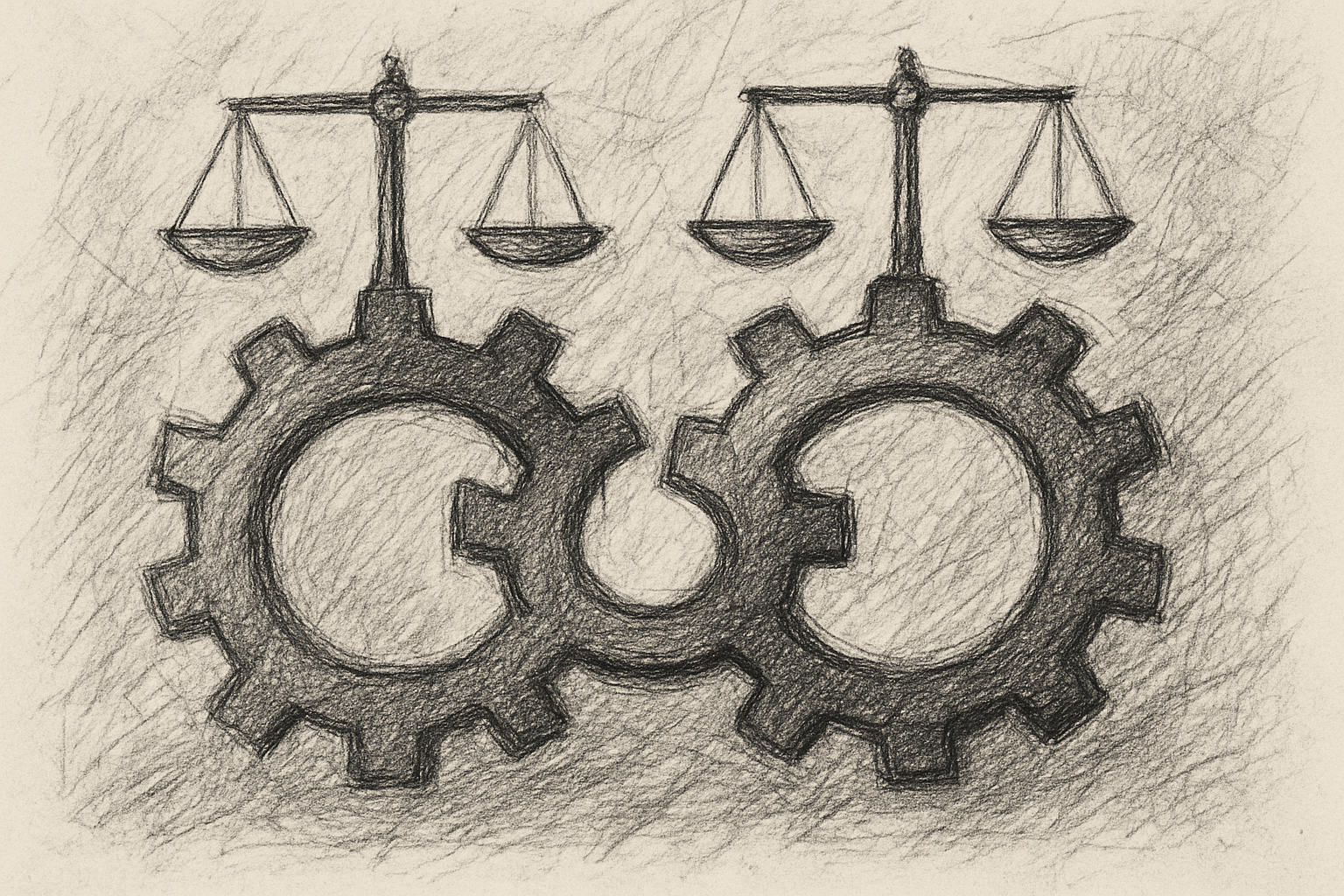
Understanding Dual Reliability in Dog Training
Dog trainer Tyler Muto explores the idea of “dual reliability” — the difference between what dogs can learn reliably and what humans can apply reliably — and why all trainers, regardless of ideology, should welcome innovation in positive reinforcement.
-
Dog Trainer DEI
“If our goal is to raise the overall standard of life for dogs and families, no single ideology will get us there. It will take a broad spectrum of approaches.”
-

The Builder and the Wind
A builder spent months designing an elaborate tower.It had curves, carvings, and a winding staircase that spiraled like art.But when the first strong wind came, the tower leaned. His neighbor, who built a small square house with nothing fancy about it, slept peacefully.When the builder complained that the storm was…
-
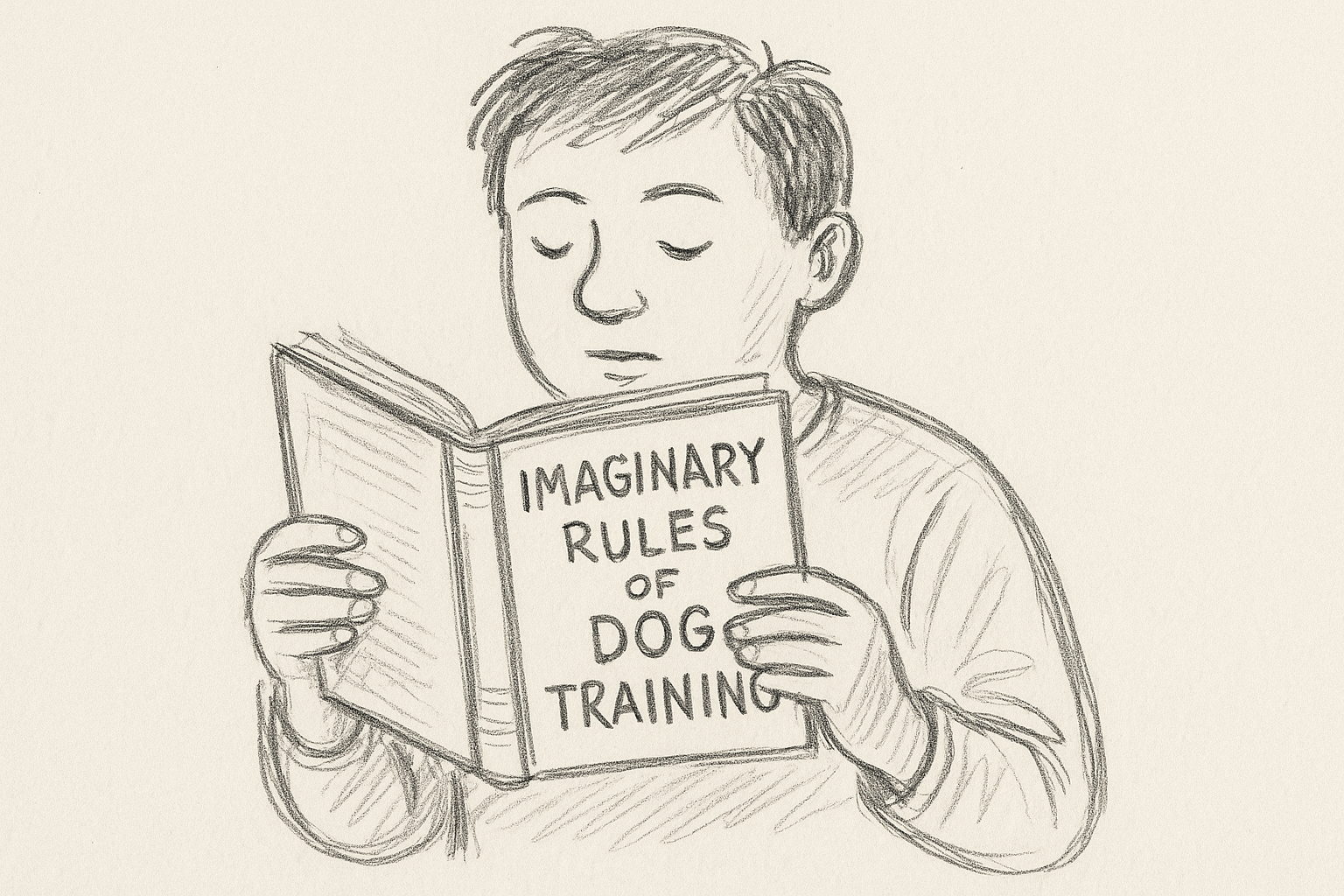
The Rulebook No One Wrote: Rethinking Accountability in Dog Training
One of the most common frustrations trainers share is this: Clients struggle to be consistent with corrections. Sometimes the issue is assertiveness. Other times it’s simply follow-through. Either way, When clients hesitate with corrections, progress usually stalls. Unless you know how to turn hesitation into consistency—and consistency into real results.…
-
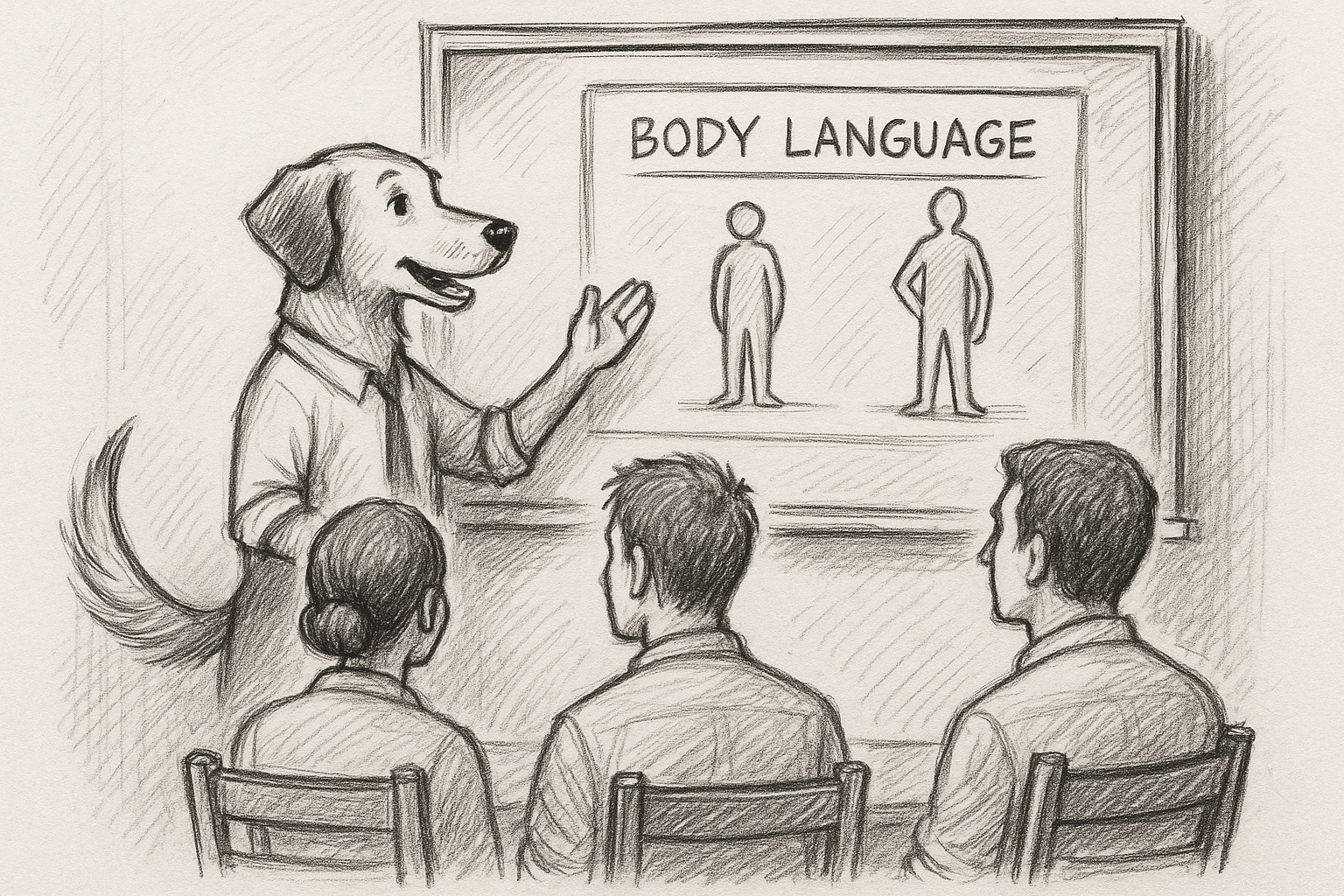
Language Arts for Dog Trainers
The real work of a trainer is not simply to act as a translator between species, but to teach the human to become bilingual. When a person learns to move, speak, and structure interaction in dog-like ways, their cues require less effort, less rehearsal, less correction. The relationship itself becomes…
-
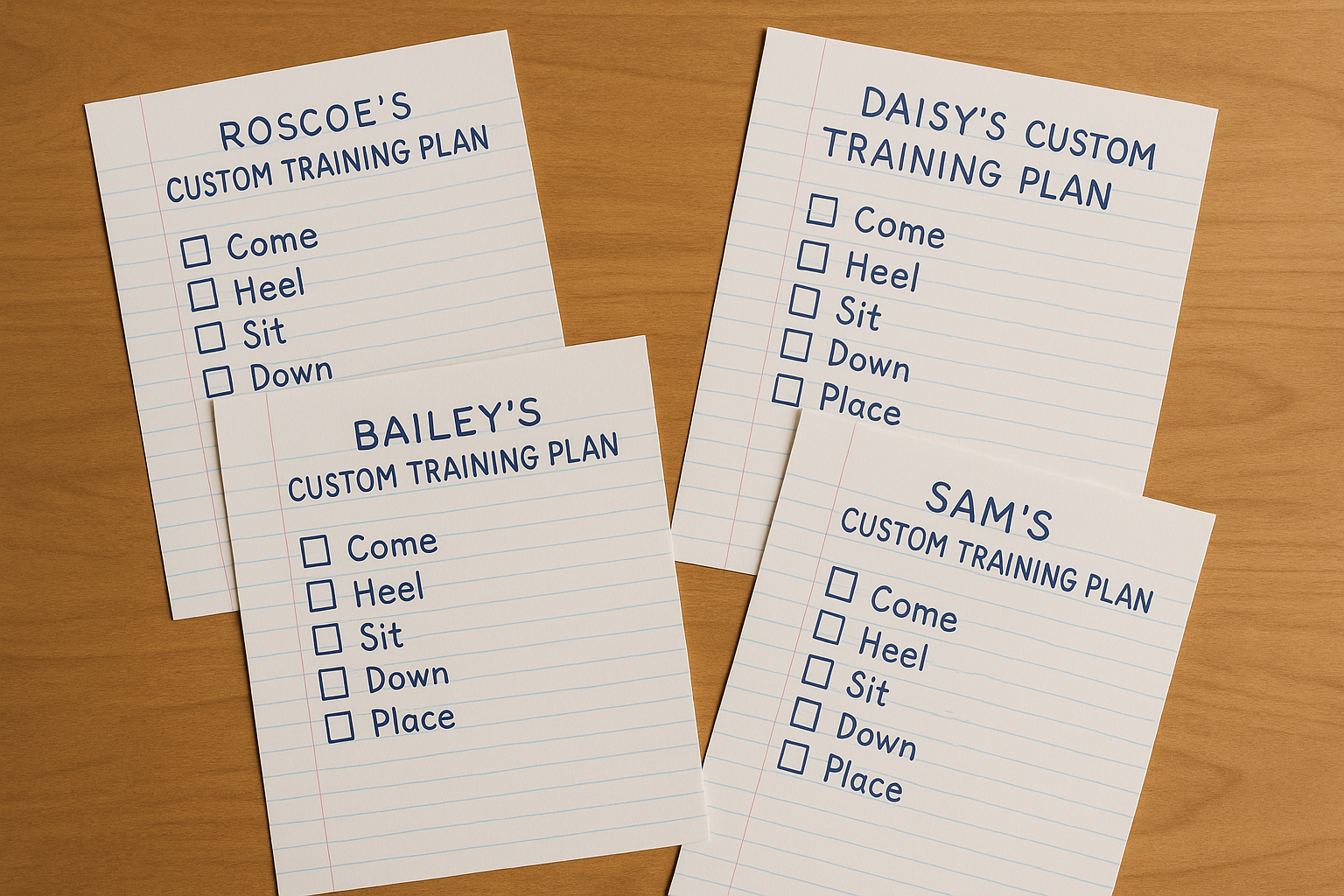
Serve Your Clients, Not Yourself
Many trainers carry a universal vision of what every dog should know: sit, down, heel, place, etc. But dogs do not live in universals. They live in households with particular rhythms, families with unique dynamics, and people carrying their own needs and limitations. A universal checklist can feel reassuring to…
-
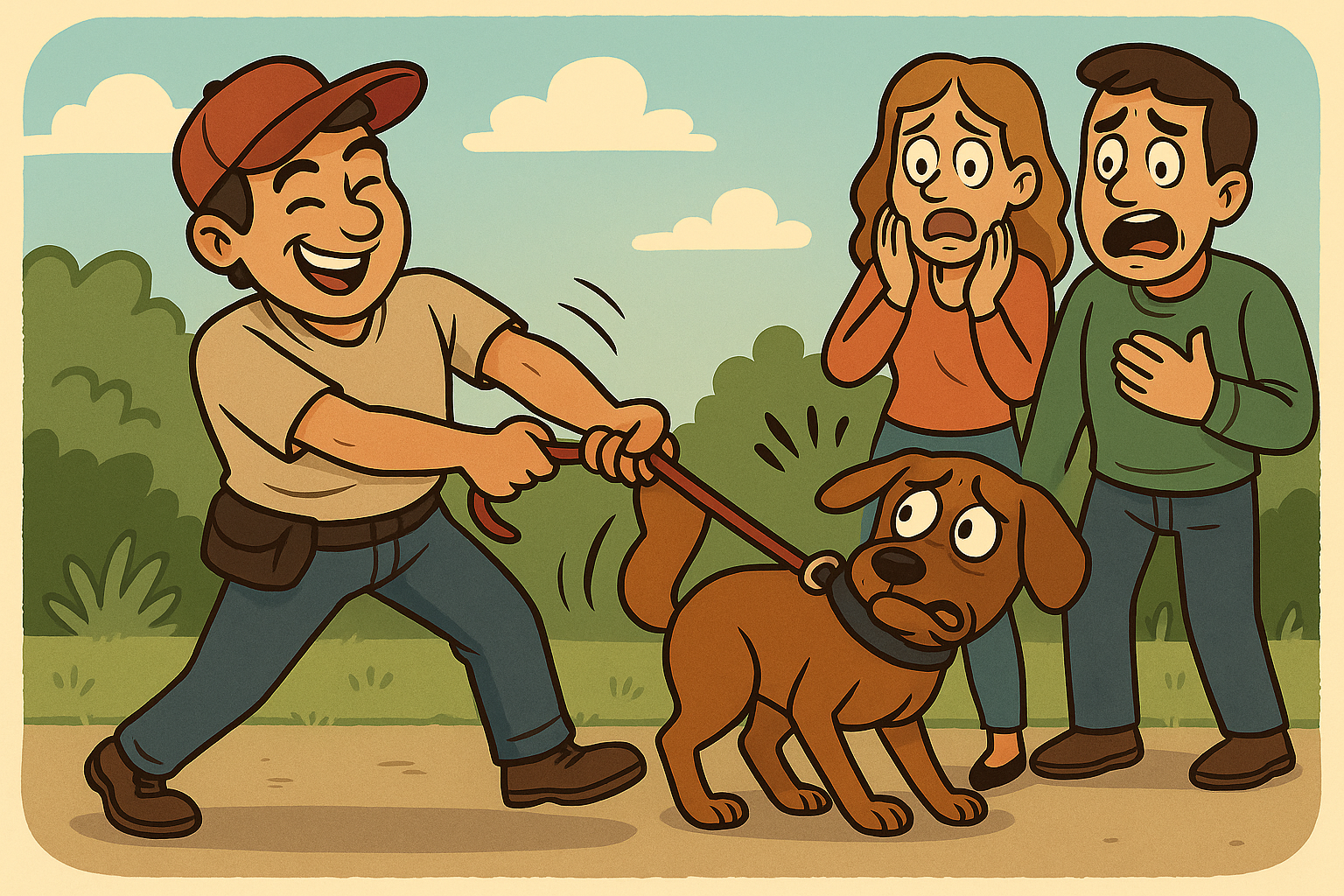
You Should Feel Bad About Using Punishment
In dog training, punishment is a loaded word. For many owners—and even for some professionals—it carries an emotional weight that is hard to ignore. And maybe that’s the point.
-
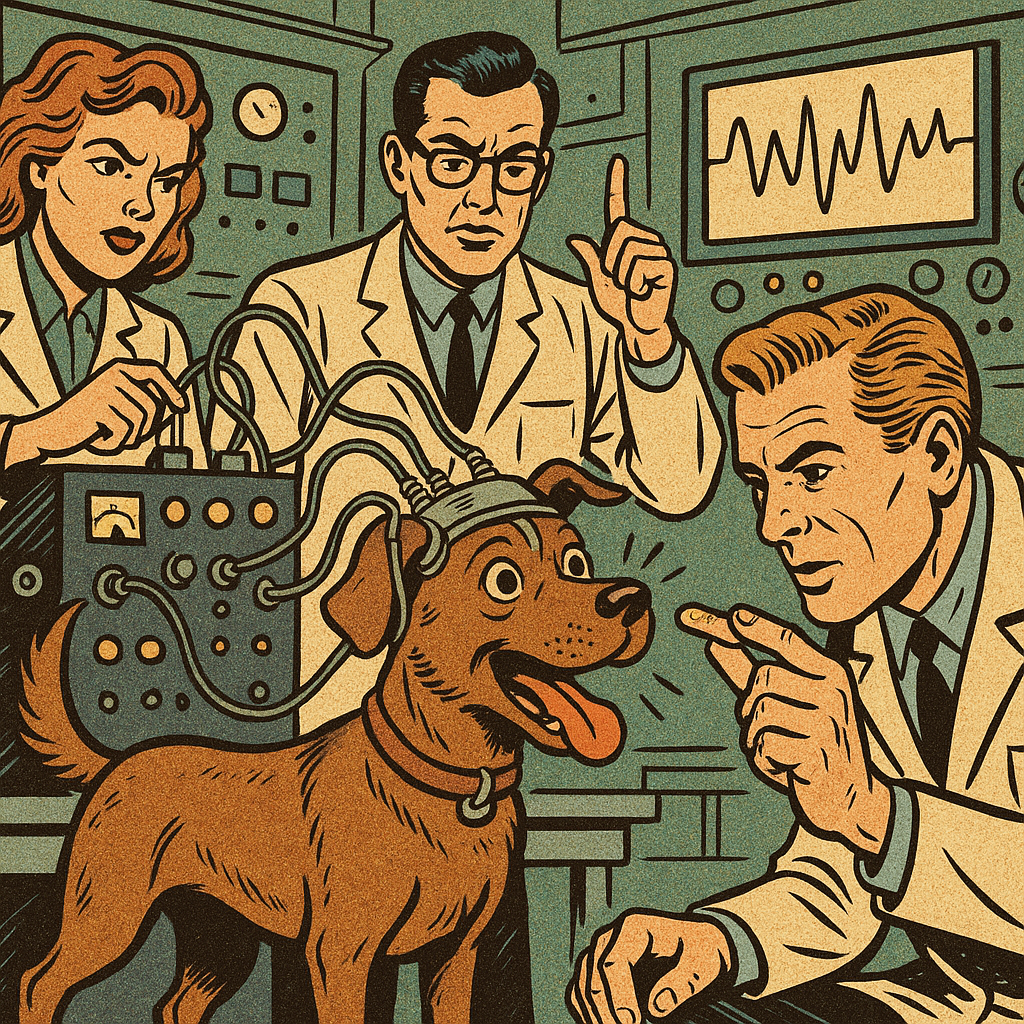
How Reward and Punishment Studies Miss the Point
The problem is, dogs aren’t levers on a Skinner box. They are social beings living inside of social systems, and those systems—family, household, relationship—fundamentally change what rewards and punishments mean.